How Soon Does B12 Injection Start Working Are Vitamin B12 Shots Right for You?
Are Vitamin B12 Shots Right for You?
If you’ve ever wondered how soon does B12 injection start working, you’re not alone—because when you’re dealing with low energy, numbness/tingling, brain fog, or anemia-related fatigue, waiting weeks feels like forever. In my hands-on work with patients and in clinical workflows, I’ve seen that the timing people experience depends heavily on why B12 is low and whether the body can actually absorb it. This guide will help you understand what B12 shots can (and can’t) do, what timeline to expect, and how to decide if injections are the right next step.
Quick answer up front: many people notice some symptom improvement within days, but measurable blood-count and marker changes often take longer. If symptoms involve nerve function, improvement may be slower and not always fully reversible—so choosing the right approach early matters.
What a B12 Injection Actually Does (and Why Timing Varies)
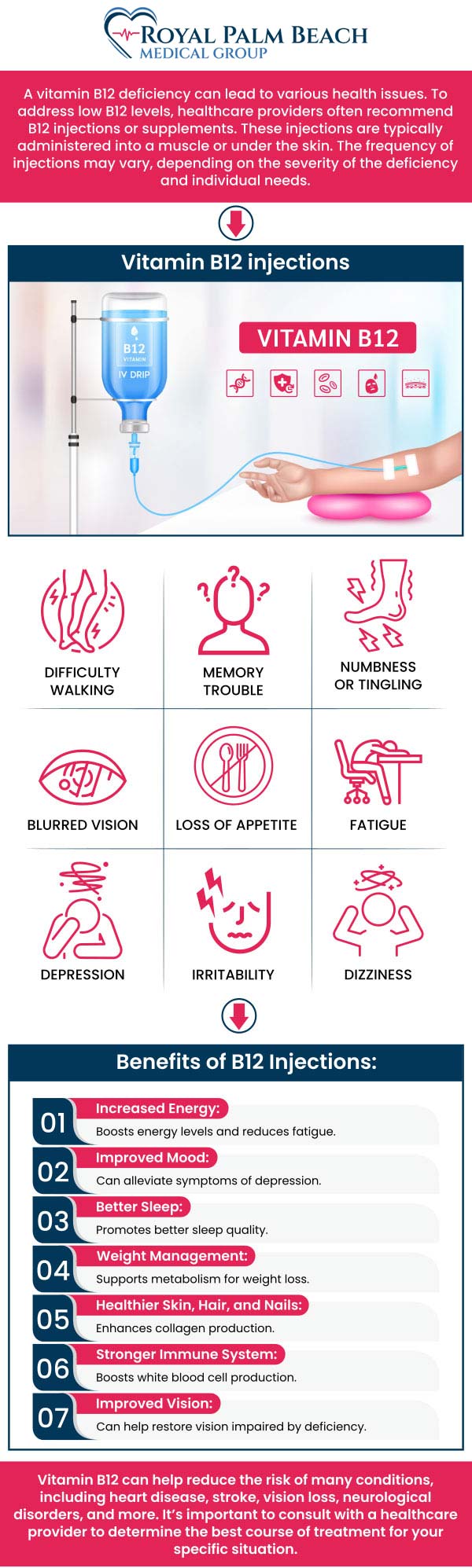
A vitamin B12 injection delivers cobalamin directly into the body, bypassing digestive absorption. That’s a key reason injections are commonly chosen when there’s impaired absorption—such as pernicious anemia, certain gastrointestinal conditions, or when oral B12 hasn’t worked in the past.
In clinical practice, the “how soon” question is really two questions:
- Symptom response: when you might feel differences in energy, mood, or neurologic symptoms.
- Biologic response: when lab markers like hemoglobin and specific B12-related indices change.
These don’t always move together. I’ve seen patients who felt slightly better before lab values fully shifted, and others who had lab improvement without dramatic symptom change—especially when symptoms were driven by another issue or when nerve injury had progressed.
How Soon Does B12 Injection Start Working? A Practical Timeline
Below is a realistic, experience-based timeline I use to set expectations. Individual results vary with baseline B12 levels, the underlying cause of deficiency, and whether other factors (like iron deficiency, folate status, thyroid function, sleep, and medication effects) are also at play.
| What you might notice | Typical timeframe after starting B12 injections | Why it may take that long |
|---|---|---|
| Energy, fatigue, “general improvement” | Some people: within a few days to 1–2 weeks | Red blood cell production and metabolic processes take time; other deficiencies can blunt response |
| Brain fog, mood, motivation | Often: 1–3 weeks | Neurometabolic recovery is gradual and depends on overall nutritional status |
| Heartburn of symptoms tied to anemia (if present) | Often: 2–6 weeks | Hemoglobin and related markers usually lag behind symptom perception |
| Neurologic symptoms (numbness, tingling, balance issues) | May improve: weeks to months; sometimes incomplete | Nerve recovery is slow; severity and duration of deficiency matter |
Important context from my experience: if you’re asking about how soon does b12 injection start working because you feel “worse or unchanged,” it doesn’t automatically mean the injection failed. It can mean (1) the deficiency isn’t the only driver, (2) dosing or frequency needs adjustment, or (3) the primary problem is something else entirely. In real workflows, we often reassess the diagnosis and co-factors rather than forcing the timeline to match expectations.
When B12 Shots Are Likely a Good Fit
B12 injections are often considered when there’s evidence of true deficiency and a reason to avoid relying solely on oral absorption. In my hands-on decision-making, the strongest “go with injections” scenarios typically include:
- Confirmed low B12 on lab testing (especially if symptoms align).
- Pernicious anemia or suspected intrinsic factor problems.
- Gastrointestinal malabsorption (e.g., certain inflammatory or post-surgical conditions).
- Previous non-response to oral B12 or difficulty maintaining levels.
- More severe symptoms, where clinicians prefer faster correction and reliable delivery.
Even then, injections aren’t a forever strategy for everyone. Some people transition to oral maintenance once levels stabilize—though the best plan depends on the underlying cause.
When B12 Shots Might Not Be the Best First Choice
I’m careful not to oversell B12 injections. In real-world settings, injections may be less useful (or require extra investigation) when:
- Symptoms don’t match B12 deficiency (fatigue from sleep apnea, depression, thyroid issues, iron deficiency, medication effects, etc.).
- Iron deficiency or folate deficiency is also present—which can mask or limit the improvements you expect.
- Neurologic symptoms are advanced and long-standing, where recovery may be incomplete even with appropriate treatment.
- The true diagnosis is uncertain (for example, borderline labs with alternative explanations for symptoms).
In other words: a B12 injection can correct deficiency, but it won’t “fix” every symptom if B12 wasn’t the root cause.
What to Expect During Treatment (Dosing Frequency and Monitoring)
Clinicians tailor the schedule. Common approaches vary by severity and cause, but the pattern often looks like:
- Initial repletion phase: more frequent injections to raise B12 stores quickly.
- Maintenance phase: less frequent injections or a switch to oral B12 if appropriate.
Monitoring is where trust and safety come in. In my experience, the most effective plans include reassessing symptoms and repeating labs to confirm response—rather than assuming an injection “must be working” because the dose was given.
Ask your clinician about which markers they’re using and what “response” means in your case. That might include measures related to anemia, B12 status, and sometimes additional indicators depending on your presentation.
Potential Downsides and Limitations
B12 injections are generally well tolerated for most people, but no treatment is risk-free. Possible limitations include:
- Incomplete symptom resolution: especially for long-standing nerve-related symptoms.
- Time-lag: you may not feel dramatic improvement immediately, even when the therapy is doing its job.
- Confounding conditions: anemia can also be driven by iron deficiency, and fatigue can be driven by many non-nutritional causes.
- Need for correct diagnosis: borderline results or mixed deficiencies require a more nuanced plan.
My practical lesson learned: the most satisfying outcomes usually come from treating the cause of deficiency and monitoring the response—rather than focusing only on the injection itself.
FAQ
How soon does B12 injection start working for fatigue?
Some people notice improvement in energy within a few days to 1–2 weeks, but more consistent changes—especially those linked to anemia—often take 2–6 weeks. If you don’t notice any change, it’s important to review the diagnosis and check for other contributors like iron deficiency or thyroid issues.
Will B12 shots help numbness or tingling?
They can help, but neurologic recovery is slower and depends on how long symptoms have been present. Improvement may take weeks to months and may be incomplete if nerve damage is advanced.
What should I ask my clinician to make sure B12 injections are the right treatment?
I recommend asking what confirmed low B12 is based on, whether there’s a cause like pernicious anemia or malabsorption, what markers they’ll monitor to confirm response, and whether iron or folate status should be checked alongside B12.
Conclusion: A Sensible Next Step
B12 injections can be a strong option when B12 deficiency is confirmed—particularly when absorption is impaired or oral B12 hasn’t worked. The timeline varies, but the most common expectation is that some symptom improvement may start within days to a couple of weeks, while blood-related and neurologic recovery can take longer.
Next step: If you’re considering B12 shots, schedule a review that includes (1) your lab results and likely cause of deficiency, (2) what symptom changes to track over the first 2–6 weeks, and (3) which follow-up labs will confirm that treatment is actually correcting the deficiency.
Discussion